Source Dielectric Mobile Grain Dryer for Rice Wheat Corn
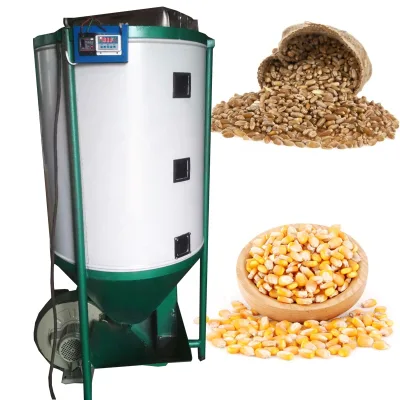
Find 28 dielectric mobile grain dryer units from Henan, China, featuring adjustable temperatures and multiple fuel options. Buyers can compare capacities ranging from 300kg to 1500kg per batch across models like KVHG and MS series for drying rice, corn, wheat, and soybeans.
Key considerations
Products List




Comprehensive Sourcing Guide
Strategic Sourcing Guide for Dielectric Mobile Grain Dryers
Understanding the Dielectric Drying Technology and Operational Context
When sourcing a dielectric mobile grain dryer, buyers must first distinguish this technology from conventional convection drying systems. The core mechanism relies on dielectric heating, where the drying medium interacts with the moisture content of the grain through high-frequency electromagnetic fields rather than solely relying on heated air transfer. This approach allows for more uniform heating within the grain mass, potentially reducing drying time and preserving seed viability. In the current market landscape, specific product attributes indicate that these machines often utilize air as the primary drying medium while employing dielectric heating modes to accelerate moisture removal.
The operational flexibility of these units is a primary driver for their adoption in mobile applications. Unlike stationary silos, mobile dielectric dryers are designed to be transported to the point of harvest, minimizing post-harvest losses and logistical costs. The observed product data highlights a "Combined" movement way, suggesting that these units integrate multiple functional stages, such as threshing, cleaning, and drying, into a single mobile chassis. This integration is critical for buyers looking to streamline their harvest operations. The machinery is typically constructed from robust materials, with a prevalence of 304 stainless steel for grain contact surfaces to ensure hygiene and corrosion resistance, while structural components often utilize carbon steel for durability.
The versatility of the drying medium is another technical consideration. While the primary heating mode is dielectric, the systems often support multiple heat sources, including natural gas, diesel, and biomass options like wood or coal. This multi-fuel capability ensures that the dryer remains operational in remote areas where electricity may be unreliable or where specific fuel types are more economical. The voltage levels observed in the market range from standard industrial 380V to adjustable configurations, requiring buyers to verify the electrical infrastructure at their specific deployment sites. The power consumption for these units varies significantly based on capacity, with observed specifications ranging from 2.2kW for smaller units to over 12kW for larger industrial models, directly impacting the energy cost per batch.
Technical Specifications and Capacity Analysis
Evaluating the technical specifications of a dielectric mobile grain dryer requires a granular look at capacity, dimensions, and processing rates. The market presents a wide spectrum of models, from compact units with a capacity of 250kg per batch to large-scale industrial dryers capable of handling 1500kg or more per cycle. Specific model identifiers such as KVHG-300, KVHG-500, and KVHG-1500 suggest a standardized naming convention based on throughput, allowing buyers to estimate the scale of operations required for their specific crop volume. For larger operations, models like the MS-5HP series indicate capacities extending to 10 cubic meters or more in silo volume, suitable for continuous processing of high-volume crops.
Dimensional constraints are equally critical for mobile applications. The physical footprint of these dryers varies from approximately 1850mm by 1550mm for smaller units to massive structures exceeding 6000mm in length. Buyers must ensure that the dimensions of the selected unit, such as the 620022006700mm configuration, are compatible with the transport vehicles and the physical access points at the farm or processing facility. The weight of these machines is substantial, with some units weighing up to 600kg, necessitating robust lifting equipment and secure anchoring during operation.
The following table summarizes the observed technical variations in capacity and dimensions to assist in initial filtering:
| Product Model Series | Batch Capacity | Approximate Dimensions (mm) | Power Consumption | Primary Material |
|---|---|---|---|---|
| SRLS-HGJ250 | 250 kg/batch | 1850 * 1550 * 2800 | 2.2 kW | 304 Stainless Steel |
| KVHG-300 to KVHG-1500 | 300kg to 1500kg | Varies by model | 2.2 kW - 12.45 kW | Stainless/Carbon Steel |
| MS-5HP-18 | ≥10 m³ Silo | 6300 * 2600 * 7800 | 12.45 kW | Bulk Material |
| MS-5HP-6 | High Volume | 6200 * 2200 * 6700 | Variable | Stainless Steel |
It is important to note that the "Capacity" attribute often refers to the volume or weight processed per time cycle, which may differ from continuous hourly throughput. Buyers should clarify whether the stated capacity is a batch limit or a continuous flow rate. Furthermore, the temperature control is described as adjustable, a crucial feature for differentiating between heat-sensitive seeds like rice and wheat, and more robust grains like corn. The ability to adjust the temperature allows for precise moisture reduction without damaging the grain structure, a key factor in maintaining market value.
Compliance, Certification, and Safety Standards
In the B2B procurement of agricultural machinery, compliance with safety and quality standards is non-negotiable, yet specific certification statuses are not universally guaranteed across all listed products. Buyers must verify that the dielectric mobile grain dryer adheres to relevant electrical safety standards, particularly given the high-voltage and high-frequency nature of dielectric heating. The observed standard dimensions and packaging specifications, such as the "Standard Wooden Package" or "Container" shipping methods, indicate a focus on transport safety, but these do not inherently certify the machine's operational safety.
When evaluating compliance, buyers should request documentation regarding the electrical components, including the voltage level adjustments (e.g., 380V/Adjustable) and the heating mode safety interlocks. The use of natural gas, diesel, or biomass as heat sources introduces additional regulatory requirements related to combustion safety and emissions. While the product data mentions these fuel types, it does not confirm specific emission certifications or compliance with local environmental regulations. Therefore, the procurement process must include a verification step where the supplier provides evidence of compliance with the destination country's environmental and safety laws.
Furthermore, the material composition, specifically the use of 304 stainless steel for granary materials, implies a level of food-grade compliance. However, buyers should not assume that all listed units meet international food safety standards without explicit verification. The "New" condition of the products suggests they are manufactured to current standards, but the specific standards referenced (such as ISO or local agricultural machinery standards) must be confirmed. The "High Productivity" selling point is an observation of performance rather than a certified metric, so buyers should seek third-party test results or performance data sheets to validate these claims before finalizing a purchase.
Cost Drivers and Total Cost of Ownership
The pricing for dielectric mobile grain dryers exhibits a wide range, observed from approximately $1,399 to $198,000 USD. This variance is driven by several key factors, including capacity, power rating, material quality, and the level of customization. Smaller units with lower power consumption and batch capacities will naturally fall at the lower end of the price spectrum, while large-scale, multi-fuel, high-capacity models with advanced control systems command premium prices. The "Customized" attribute indicates that buyers can tailor specific features, which will inevitably increase the cost but may offer better alignment with unique operational needs.
Beyond the initial purchase price, the total cost of ownership (TCO) is heavily influenced by energy efficiency and maintenance requirements. The power consumption ranges from 2.2kW to over 12kW, and the choice of heat source (electricity, natural gas, diesel, biomass) will significantly impact ongoing operational expenses. Buyers should calculate the cost per kilogram of dried grain based on local energy rates and fuel availability. Additionally, the "Combined" movement way and the integration of threshing and cleaning functions may reduce the need for separate machinery, offering long-term savings in capital expenditure and labor.
Maintenance costs are also a critical component of TCO. The use of stainless steel and carbon steel suggests durability, but the complexity of the dielectric heating system and the multi-fuel capabilities may require specialized maintenance. Buyers should inquire about the availability of spare parts, the expected lifespan of critical components like heating elements and motors, and the recommended service intervals. The "Stander Wooden Case" or "Shipping Container" packing indicates that the units are designed for long-distance transport, which may incur additional logistics costs that should be factored into the budget.
Typical Applications and Crop Compatibility
Dielectric mobile grain dryers are designed for a broad spectrum of agricultural applications, making them versatile tools for various farming operations. The observed product attributes list compatibility with a wide range of crops, including rice, corn, wheat, soybeans, and beans. This versatility allows farmers to process multiple crop types with a single piece of equipment, maximizing the utility of the investment. The "Application for" attribute further expands the scope to include fertilizer and plastic processing, suggesting that the technology can be adapted for non-grain materials, although the primary focus remains on grain drying.
The specific drying requirements of different crops must be considered when selecting a unit. For instance, rice and wheat are often more sensitive to high temperatures and require precise temperature control, which the "Adjustable" temperature feature supports. Corn and soybeans, being more robust, may tolerate higher drying temperatures but still benefit from the uniform heating provided by dielectric technology. The "Grains That Can Be Dried" list confirms that these machines are engineered to handle the diverse moisture contents and physical properties of various grains.
In addition to drying, the "Usage" attribute highlights functions such as grain threshing and cleaning. This multi-functionality is particularly valuable for small to medium-sized farms that lack the space or capital for multiple specialized machines. By integrating these processes, the dielectric mobile grain dryer reduces the time and labor required to prepare grain for storage or sale. The "High Productivity" selling point suggests that these units can handle large volumes efficiently, making them suitable for commercial farming operations as well as cooperative processing centers.
Supplier Evaluation and Quality Control Protocols
Selecting a reliable supplier for a dielectric mobile grain dryer requires a rigorous evaluation process that goes beyond the basic product listing. Buyers should prioritize suppliers who can provide detailed technical documentation, including electrical schematics, material certifications, and safety compliance reports. The "prod_origin" attribute indicates that many units originate from Henan, China, a region known for agricultural machinery manufacturing. While this provides a geographical context, buyers must verify the specific factory capabilities and quality control measures of the individual supplier.
Quality control should be a central part of the procurement strategy. Buyers should request evidence of the manufacturing process, including how the stainless steel and carbon steel components are welded and assembled. The "New" condition of the products is a baseline requirement, but buyers should also inspect the finish, the integrity of the electrical connections, and the calibration of the temperature and power controls. Third-party inspection services can be employed to verify the machine's condition before shipment, ensuring that the product matches the described specifications.
The "Customization" and "Customized" attributes suggest that suppliers are willing to tailor the machine to specific needs. Buyers should evaluate the supplier's ability to execute these customizations accurately and within the agreed timeline. Communication regarding the customization requirements, such as specific dimensions, power ratings, or fuel types, must be clear and documented. Additionally, the "Related Machine" and "Related Machine1" attributes indicate that the supplier may offer complementary equipment, which could be beneficial for creating a complete processing line. Buyers should assess the supplier's ability to provide integrated solutions and after-sales support.
Long-Term Procurement and Operational Sustainability
Long-term procurement considerations for dielectric mobile grain dryers extend beyond the initial purchase to include sustainability, scalability, and adaptability to future market changes. The "Fuel Type" versatility, supporting diesel, natural gas, LPG, wood, coal, and biomass, positions these machines to adapt to fluctuating fuel markets and environmental regulations. Buyers should consider the long-term availability and cost stability of these fuel sources in their region. The ability to switch between fuel types can provide a strategic advantage in managing operational costs and ensuring continuous operation during fuel shortages.
Scalability is another critical factor. As agricultural operations grow, the capacity of the drying unit may need to increase. The observed range of models, from 250kg/batch to 1500kg/batch and larger silo capacities, offers a pathway for scaling up without necessarily replacing the entire system. Buyers should evaluate whether the supplier offers modular upgrades or additional units that can be integrated into the existing setup. The "Combined" movement way and the integrated nature of the machine suggest that future expansions can be seamless, minimizing downtime and disruption.
Sustainability is increasingly important in modern agriculture. The dielectric heating technology, which can offer more efficient energy use compared to traditional methods, aligns with sustainable farming practices. However, the environmental impact of the fuel sources must be carefully managed. Buyers should explore options for using renewable biomass fuels or electric heating where grid stability allows. The "High Productivity" attribute supports efficiency, but buyers should also consider the carbon footprint of the entire drying process. By selecting a supplier that prioritizes energy efficiency and environmental compliance, buyers can ensure that their investment remains viable and responsible in the long term.
FAQs
What materials are used to construct dielectric mobile grain dryers?
These machines typically use 304 stainless steel for grain contact surfaces and carbon steel for structural components. This combination ensures hygiene and corrosion resistance while maintaining durability for heavy agricultural use.
Which heat sources can power a dielectric mobile grain dryer?
Units often support multiple heat sources including natural gas, diesel, LPG, wood, coal, and biomass. This multi-fuel capability ensures operational flexibility in remote areas where electricity may be unreliable or specific fuels are more economical.
Can the temperature settings be adjusted for different grain types?
Yes, the temperature is adjustable to accommodate various crops like rice, wheat, corn, and soybeans. This feature allows precise moisture reduction without damaging heat-sensitive seeds while maintaining market value for robust grains.
What is the typical capacity range for these drying machines?
Batch capacities range from 250kg to 1500kg per cycle, with some large silo models exceeding 10 cubic meters. Specific models like KVHG-300 handle 300kg while others reach 1500kg per time cycle depending on the configuration.
How are these machines packaged for international shipping?
Products are typically packed in standard wooden cases or shipping containers to ensure safe transport. This robust packaging protects the machinery during long-distance logistics and prevents damage to sensitive components during transit.
What is the power consumption for these mobile grain dryers?
Power consumption varies from 2.2kW for smaller units to over 12.45kW for larger industrial models. The specific wattage depends on the model series and capacity, directly impacting the energy cost per batch of dried grain.